Skip to content
Swedie
Swedie
Swedie
© 2026 swedie.com

Browsing as Guest

Sign in or Sign Up

Nicotine Pouches

WARNING: These products contain nicotine, a highly addictive substance.

Your wishlist0 saved
SortBest selling
In stockSale
Filters
Flavour All
Nicotine
All
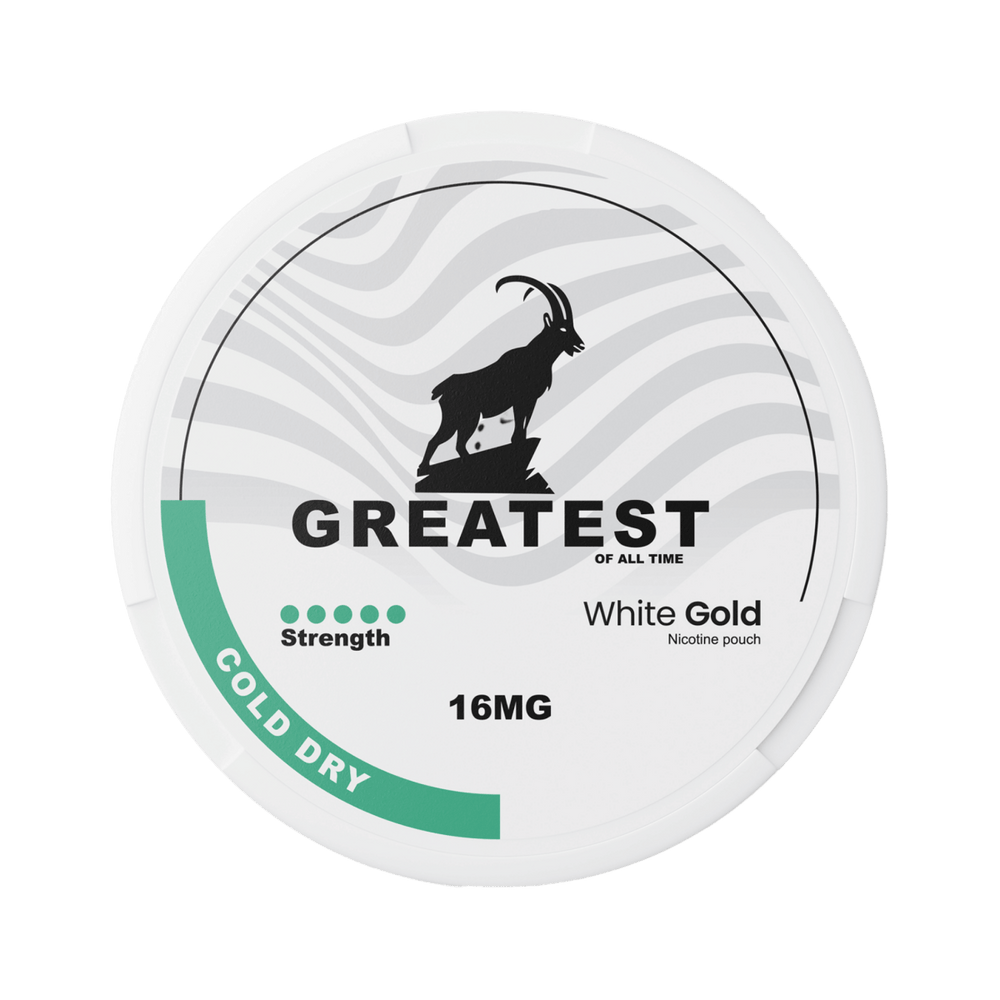
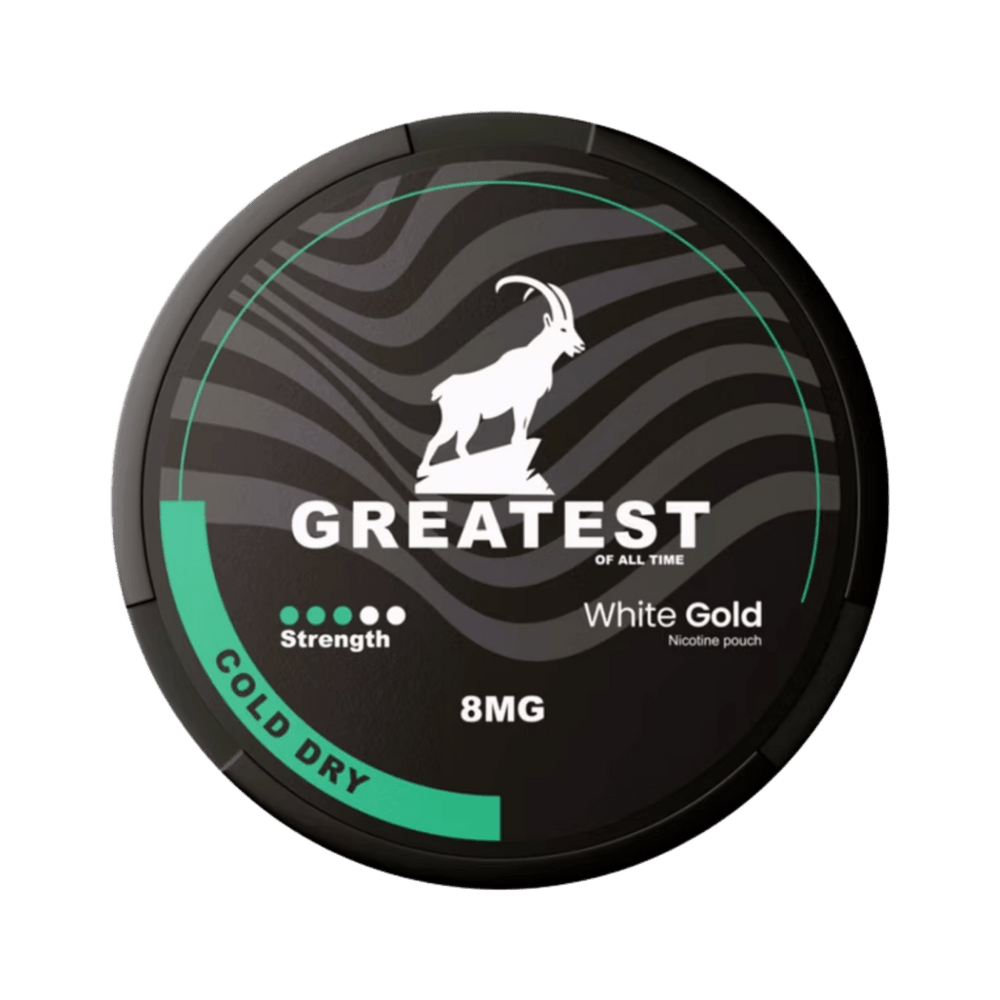
Greatest Cold Dry
Greatest Rage Lemonade
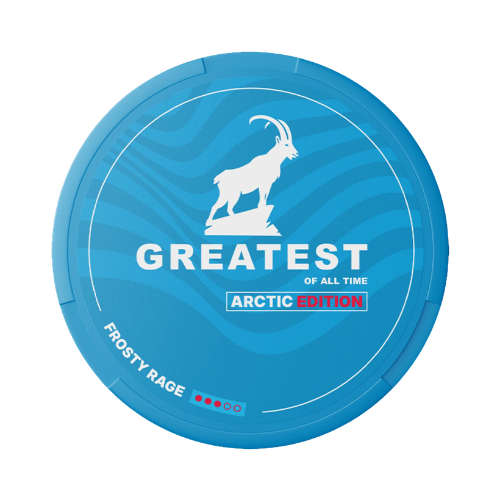
Greatest Arctic Edition
White Fox Double Mint
White Fox All White
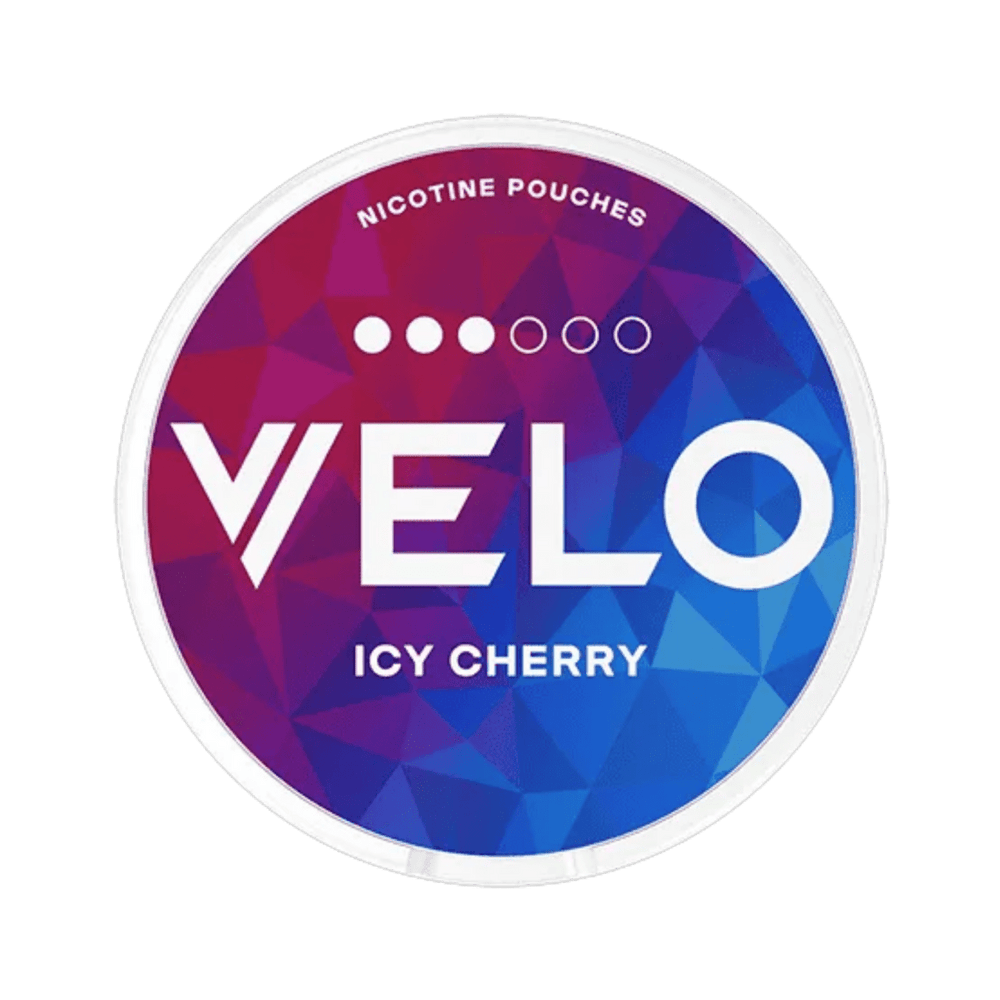
VELO Icy Cherry
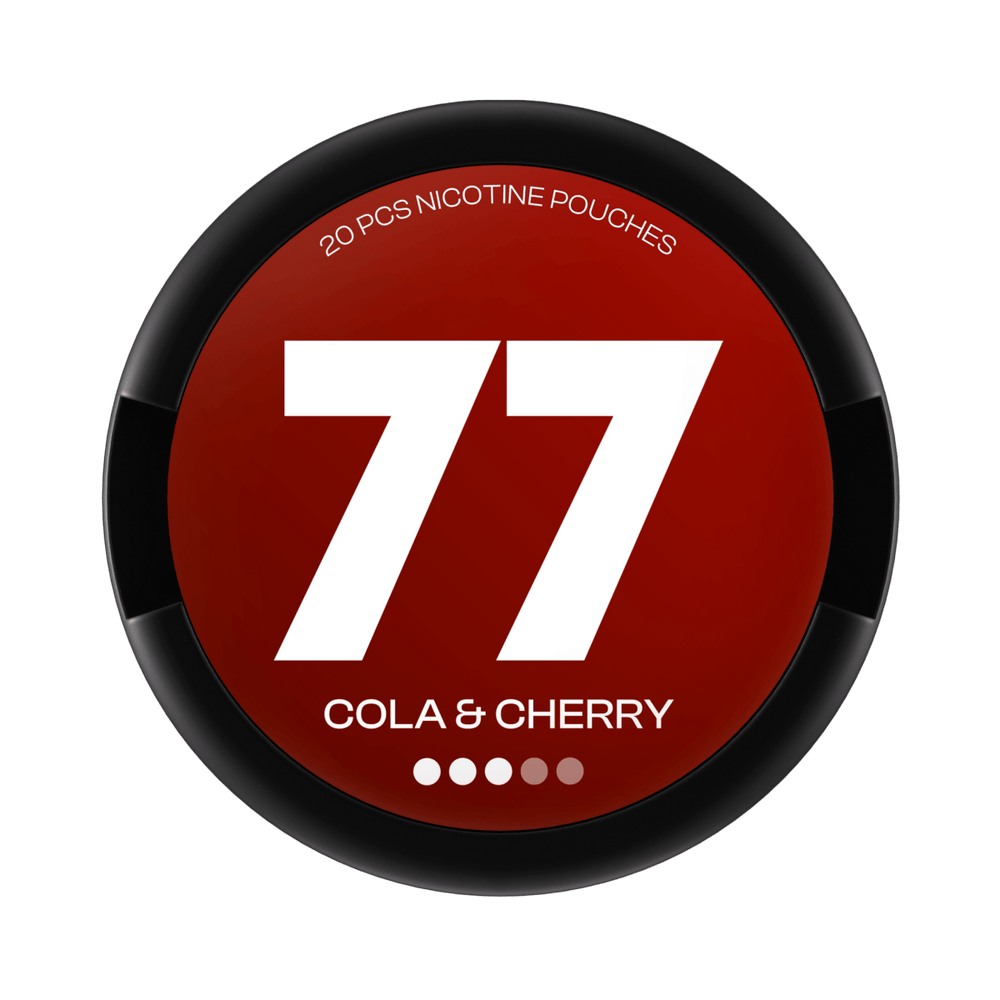
77 Cola & Cherry
White Fox Full Charge
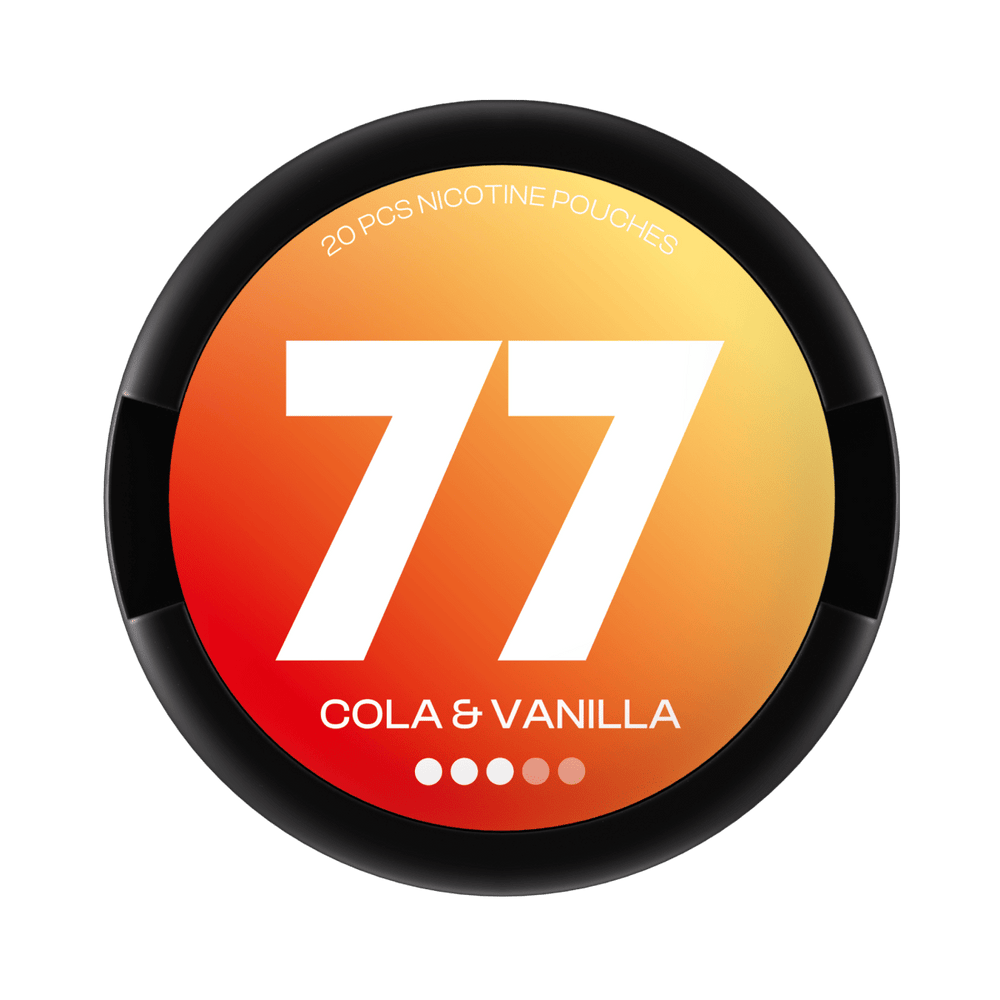
77 Cola & Vanilla
Greatest Cold Dry Mega Can
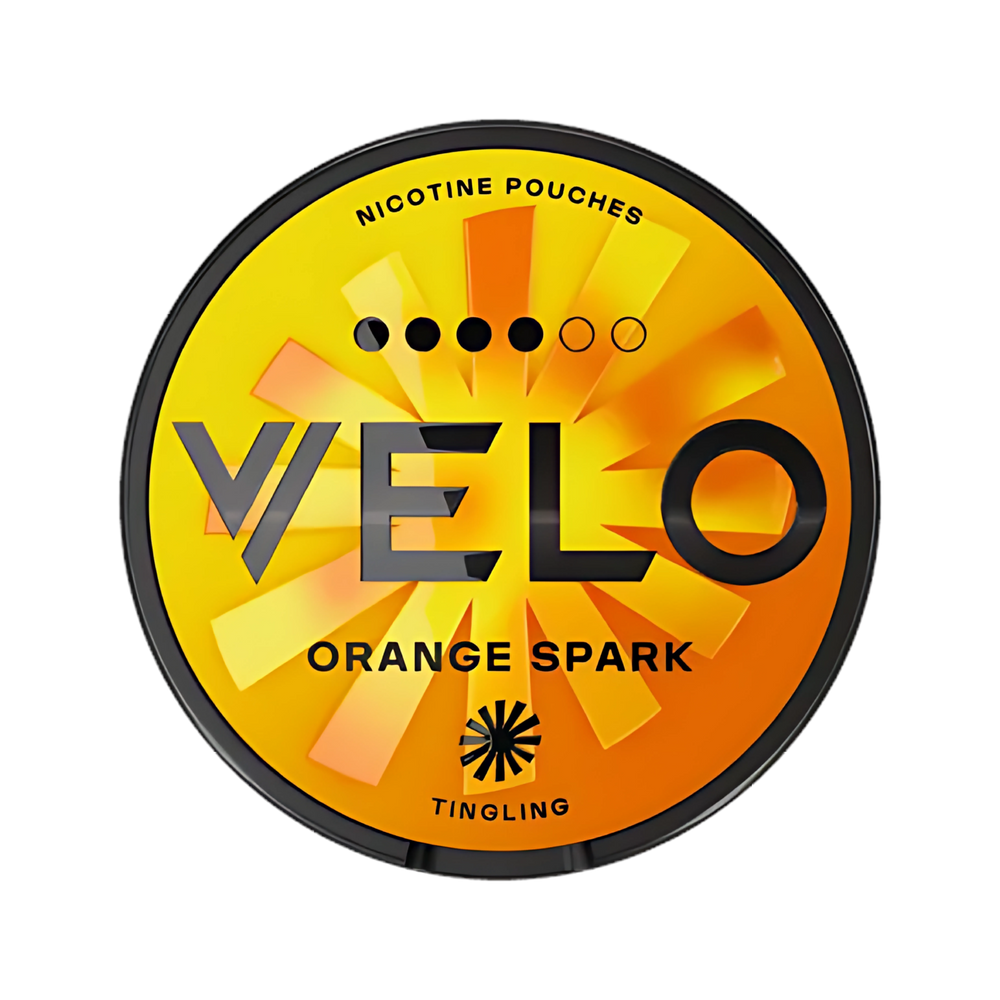
VELO Orange Spark
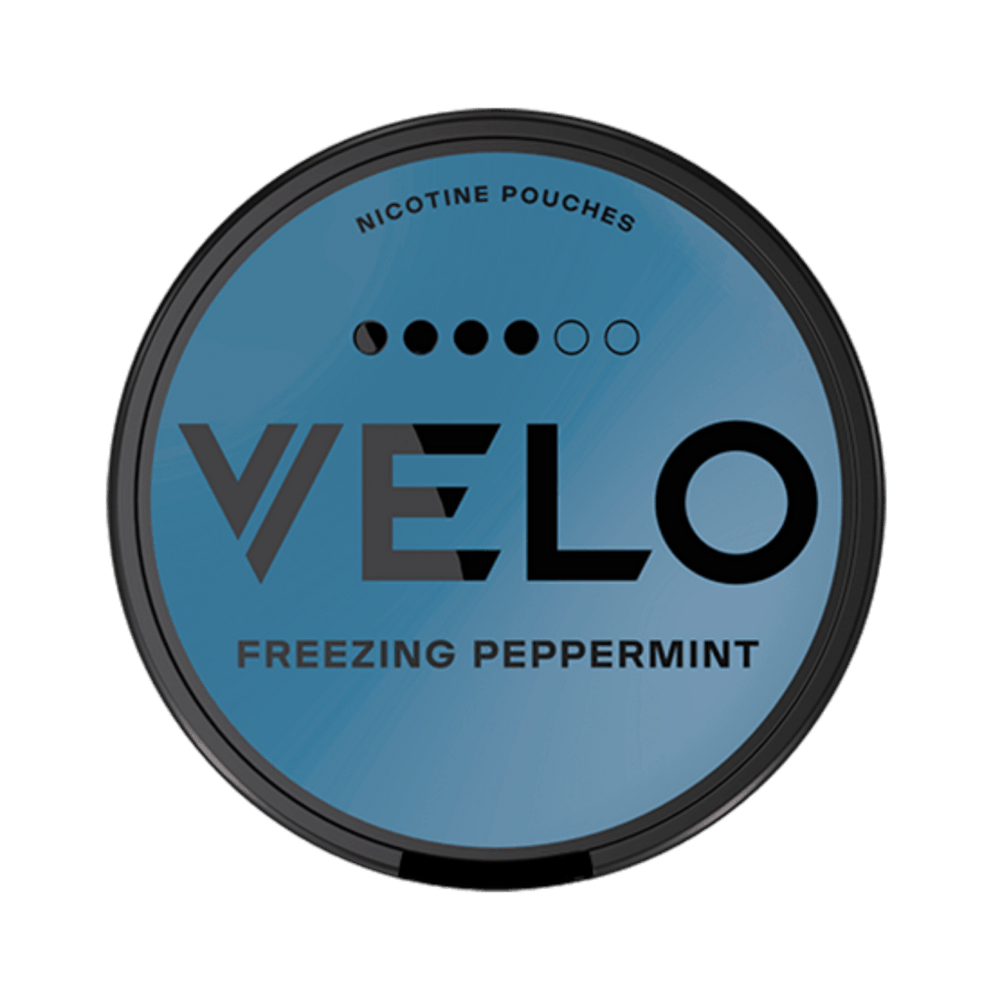
VELO Freezing Peppermint
Greatest Cold Dry Black
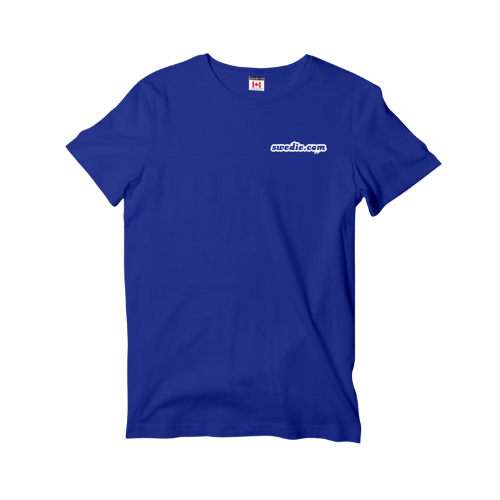
Logo T-Shirt
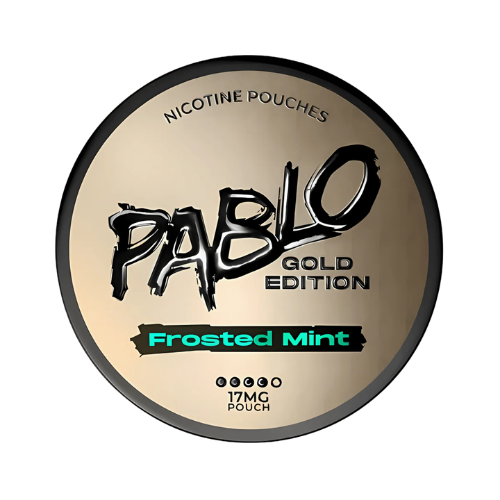
Pablo Gold Edition Frosted Mint
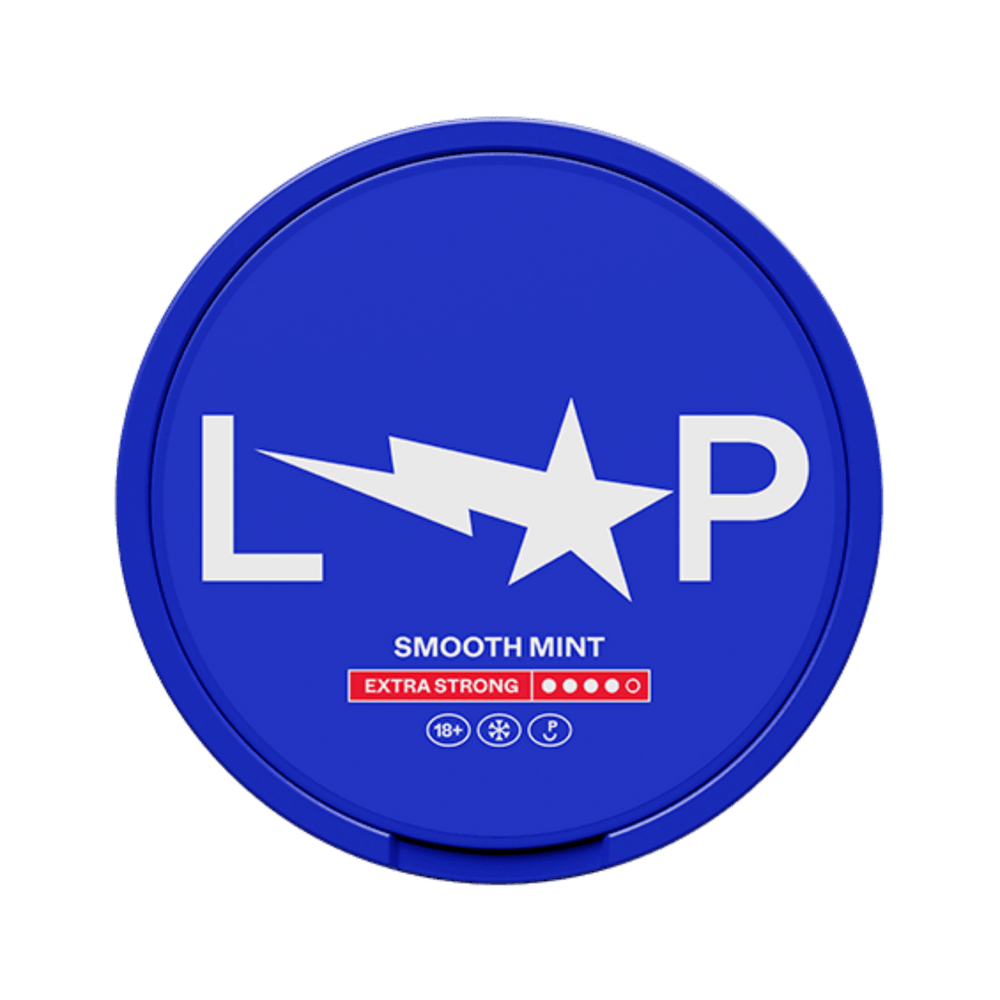
LOOP Smooth Mint Extra Strong
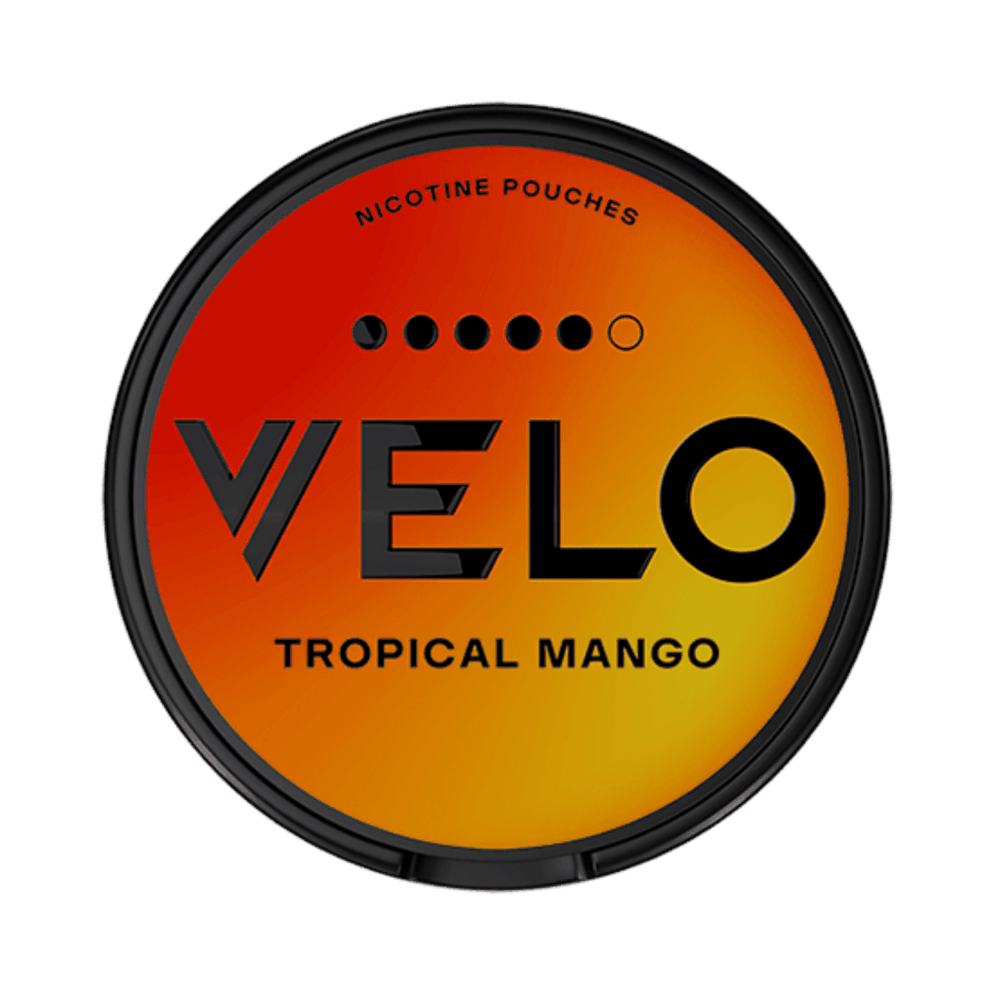
VELO Tropical Mango Strong
VELO Mclaren Sweet Papaya - Limited Edition
Loading all products...

No products match your filters.

Your account
€0,00Spent
Orders
€0,00Avg
Email updatesDrops, restocks & offers
Delivery addressNo address saved yetAdd
SettingsTheme, region & privacy

No orders yet. Your past orders will appear here.

Loading the board…
France became the first country to ban even using a nicotine pouch — possession now risks heavy fines.RegulationTobacco Reporter · 2026

France's ban took effect on 1 April 2026 and covers the manufacture, sale, import, distribution, possession and even personal use of oral nicotine products (pouches, gums and pearls), with only medicinal products exempt. It's the only EU country where simply using a pouch is itself an offence, with penalties reported up to €400,000 and prison time.

France's highest administrative court (the Council of State) was due to rule on the decree's full legality by June 2026, so the situation may still shift. For now, France is the strictest market in Europe.

Read the source
The UK's new law will ban pouch sales to under-18s and ban pouch advertising.RegulationGOV.UK · 2026

The UK's Tobacco and Vapes Act received Royal Assent on 29 April 2026. From 29 October 2026 it introduces a minimum age of sale of 18 for consumer nicotine products — which mainly affects pouches and zero-nicotine vapes — and bans advertising and sponsorship of nicotine products.

The law also tightens rules on product design and flavours that could appeal to under-18s. It does not criminalize underage possession or use; the focus is on retailers and marketing.

Read the source
A surprise FDA move will let more flavoured pouches and vapes stay on US shelves.RegulationPBS News · 2026

In May 2026 the FDA issued guidance extending "enforcement discretion" to certain unauthorized e-cigarettes and nicotine pouches — including fruit flavours like mango and blueberry — meaning they can be sold while their applications are reviewed, rather than being pulled.

Reporting said the move blindsided senior staff in the FDA's tobacco center and was posted just days before the FDA Commissioner resigned. The agency said its enforcement would instead focus on vapes with youth-appealing, toy-like designs.

Read the source
Texas's top court ruled pouches are 'tobacco products,' adding a $1.22-per-ounce tax.LegalTobacco Insider · 2026

In May 2026 the Texas Supreme Court confirmed that nicotine pouches are legally classed as "tobacco products," subjecting them to a state tax of $1.22 per ounce. The classification affects how they're taxed and regulated statewide.

It's part of a wider 2026 pattern of US states pulling pouches under existing tobacco tax and restriction frameworks, even though the products contain no tobacco leaf.

Read the source
The global pouch market is forecast to jump from $6.7B (2025) to $8.6B (2026) — about 29% growth.MarketMarket report · 2026

Industry analysts project the nicotine pouch market growing from roughly $6.69 billion in 2025 to $8.63 billion in 2026 — about 29% a year — and potentially reaching $56.7 billion by 2035.

Philip Morris International led with over 26% market share in 2025; the top five players (PMI, British American Tobacco, Imperial Brands, Turning Point Brands and Altria) together held around 64%. In short: this is one of the fastest-growing categories in the whole nicotine industry.

Read the source
Philip Morris is easing back ZYN production as supply finally catches up to demand.IndustryTobacco Insider · 2026

After years of well-publicised ZYN shortages, PMI said it would shift part of its production at the Owensboro, Kentucky facility from a continuous 24/7 schedule to 24/5 around July 2026 — describing it as a "normalization" of output after rapid expansion, not a cutback, and saying it could return to 24/7 if demand strengthens.

Meanwhile its new $600 million Colorado plant, broken ground in late 2024, began limited pouch production in 2025 as the company builds long-term US capacity.

Read the source
Pouch rules now vary wildly across Europe — several countries restrict or ban them, France most harshly.RegulationEuropean Parliament · 2026

As of 2026 the EU has no single rule for pouches. Austria, Belgium, Germany, Luxembourg and the Netherlands have introduced bans or heavy restrictions, while Sweden — where snus and pouches are deeply established — treats them as a normal product category.

France's outright ban prompted a formal question in the European Parliament over whether it unlawfully blocks the EU's free movement of goods and of people (since travellers carrying legal pouches could face penalties in France). Expect the EU patchwork to keep shifting.

Read the source
Around 15 US states are weighing flavour restrictions that would sweep in nicotine pouches.RegulationTobacco Insider · 2026

In 2026, roughly 15 US states are expected to consider flavoured-product restrictions that expand beyond traditional tobacco to include flavoured vapes and nicotine pouches, often alongside new taxes.

The result is a fast-moving patchwork: what's freely sold in one state may be taxed, restricted or flavour-limited in the next. If you sell or buy across state lines, the rules increasingly depend on where you are.

Read the source
The FDA urged makers to use child-resistant packaging after a sharp rise in kids' poisonings.SafetyUS FDA · 2025

In September 2025 the FDA publicly called on nicotine-pouch manufacturers to use child-resistant packaging. US poison centers recorded a steady rise in pouch exposures between April 2022 and March 2025, roughly 72% of them involving children under 5.

As little as 1–4 mg of nicotine can cause toxic effects in a small child, with symptoms like vomiting, confusion and loss of consciousness. All 20 FDA-authorized pouch products already use child-resistant packaging — but many unauthorized brands do not. Keep pouches locked away from children and pets.

Read the source
The FDA cleared additional nicotine pouch products, completing its review in record time.RegulationUS FDA · 2025

Following its landmark authorization of 20 ZYN products, the FDA authorized further nicotine pouch products, completing the science-based review unusually quickly.

Authorized products must meet the FDA's "appropriate for the protection of public health" standard — weighing the benefit to adult smokers who switch against the risk of youth uptake — and must carry youth-use safeguards. It signals the FDA is steadily building out a regulated, authorized segment of the market.

Read the source
ZYN's maker agreed to pay $1.2M for selling flavoured products in DC despite a flavour ban.LegalDC Attorney General · 2025

The District of Columbia's Attorney General announced that the maker of ZYN would pay $1.2 million to resolve allegations it facilitated the sale of tens of thousands of flavoured products in DC, in violation of the District's 2022 ban on flavoured tobacco and nicotine products.

It's one of several enforcement actions showing that flavour bans — where they exist — are being actively enforced against pouch sellers.

Read the source
Philip Morris committed over $800M to expand ZYN production as demand outran supply.IndustryTruth Initiative · 2025

Amid surging US demand and well-publicised shortages, PMI announced investments topping $800 million to expand ZYN manufacturing capacity, including new US facilities.

The scale of the investment underlines how central pouches have become to big tobacco's future — companies are pivoting hard from cigarettes toward "smoke-free" products like ZYN, which carries both public-health promise (for adult switchers) and concern (over youth uptake).

Read the source
A proposed class action accuses ZYN of misleading 'tobacco-free' and nicotine-content labelling.LegalClassAction.org · 2025

ZYN's maker faces a proposed class action lawsuit alleging the pouches are falsely advertised as "tobacco-free" and that the label claims about how much nicotine is in each pouch are inaccurate, along with concerns about youth-focused marketing.

The "tobacco-free" claim is legally contested because pouches use nicotine derived from or chemically identical to tobacco-plant nicotine, even without tobacco leaf. The case reflects growing legal scrutiny of pouch marketing.

Read the source
Philip Morris briefly halted US online ZYN sales in 2024 after a subpoena.LegalNBC News · 2024

In 2024, during a high-profile ZYN shortage, PMI paused US online sales of ZYN after receiving a subpoena — disrupting customers who had grown used to buying online and fuelling the "Zynsanity" shortage coverage.

It was an early sign of the legal and regulatory pressure now building around the fastest-growing product in nicotine.

Read the source
Heart doctors warn that nicotine in any form — pouches included — can stress your blood vessels.HeartEuropean Heart Journal · 2026

What it is: a review in a leading cardiology journal arguing that nicotine itself — whether from cigarettes, vapes or pouches — is an under-appreciated risk to the heart and blood vessels.

The mechanism, simply: nicotine activates your "fight or flight" system, can reduce nitric oxide (which keeps vessels relaxed), and promotes inflammation and oxidative stress. Over time that can stiffen and damage blood vessels.

Bottom line: it's an expert opinion/review rather than a pouch-specific experiment, and it's deliberately cautionary. The take-home is that going smoke-free removes a lot of harm, but it doesn't remove the nicotine — and nicotine has cardiovascular effects of its own.

Read the full study
A 27-year study followed non-smoking men to see whether snus raised their later heart-disease risk.Long-term proxyCohort · 2026

What it is: a population study that followed non-smoking middle-aged men for 27 years to see whether using snus predicted later coronary heart disease, stroke, high blood pressure or heart failure.

Why it matters: very long follow-up in non-smokers is exactly the kind of evidence that's missing for pouches — it isolates the oral-nicotine product from the effects of smoking.

Bottom line: findings from snus give the best available glimpse of the long game for oral nicotine. It's still a proxy — pouches differ from snus — but it's the closest thing we have to "what happens after decades."

Read the full study
On cancer: pouches lack the tobacco-leaf chemicals that cause mouth cancer — encouraging, but there's no long-term proof yet.CancerFrontiers in Oral Health · 2026

What it is: a review focused squarely on the question people most want answered — do pouches cause mouth cancer?

What they found: the chemicals chiefly responsible for cancer in smokeless tobacco (tobacco-specific nitrosamines, like NNN and NNK) are largely absent or present only in trace amounts in pouches, because pouches contain no tobacco leaf. That's a genuinely meaningful difference from chewing tobacco.

The honest caveat: there is still no long-term human (epidemiological) data on pouches and cancer — the products are too new — so nobody can confirm the real-world risk yet. The chemistry is reassuring; the long-term proof doesn't exist either way.

Read the full study
The longer you keep a pouch in, and the stronger it is, the more nicotine your body absorbs.NicotineJ. Clinical Pharmacology · 2026

What it is: a randomized crossover trial that varied how long people kept a pouch in the mouth and measured the resulting blood nicotine.

What they found: both higher pouch strength and longer hold time increased the amount of nicotine absorbed and how high blood levels peaked.

Bottom line: your actual dose depends on behaviour, not just the label. Keeping a strong pouch in for a long time delivers a lot of nicotine — useful to know if you're trying to manage or reduce your intake.

Read the full study
Across 7 trials, pouches didn't clearly help people quit smoking — but smokers who used them cut down, with one group nearly halving their cigarettes.QuittingAddiction · 2025

What it is: a systematic review — researchers gathered every randomized controlled trial they could find (seven studies, 269 people total) and analysed them together, which is one of the most trustworthy ways to weigh evidence.

What they found: people generally rated pouches as more satisfying than nicotine gum or a placebo, but less satisfying than a cigarette. Importantly, none of the trials showed a clear, statistically reliable increase in actually quitting smoking compared with a control group. Some smokers did cut down — in one group daily cigarettes fell from about 15 to 8 over eight weeks.

Bottom line: pouches may help some smokers smoke less, but right now there isn't strong proof they help you fully quit. The studies were also small and short, so this is an early picture, not the final word.

Read the full study
The top evidence reviewers (Cochrane) say there simply aren't enough good studies yet to know whether pouches help you quit.QuittingCochrane Review · 2025

What it is: Cochrane reviews are widely treated as the gold standard for medical evidence — independent teams pool the best available studies using strict methods.

What they found: for nicotine pouches as a quit-smoking aid, they could only find three small studies. That's too little to say with confidence whether pouches help people stop smoking. Reassuringly, those studies didn't turn up serious short-term harms.

Bottom line: the honest scientific answer today is "we don't know yet." If you want to quit, the proven options (patches, gum, prescription medication, counselling) have far more evidence behind them. Pouches simply haven't been tested enough to make that claim.

Read the full study
Trace nicotine by-products in pouches were measured and judged no riskier than nicotine itself.ChemistryACS Omega · 2025

What it is: a detailed chemistry study of one major brand that measured tiny nicotine-related impurities and breakdown products (with names like nornicotine, anabasine and cotinine).

What they found: the levels detected were low enough that, on a toxicological assessment, they don't appear to add health risk beyond nicotine itself.

Bottom line: reassuring on that specific question. But it's a single brand, and it only addresses these particular impurities — not the overall long-term safety of using pouches every day.

Read the full study
Testing 30 pouches showed nicotine and acidity vary a lot between brands — which changes how strong they actually feel.ChemistryMicrochemical Journal · 2025

What it is: researchers tested 30 pouches from 14 brands, measuring nicotine content, acidity (pH), organic acids, humectants and cooling agents.

What they found: nicotine ranged widely (about 2 to 21 mg per gram) and pH ranged from roughly 7.5 to 9.5. Both matter: a higher pH lets more "free" nicotine absorb faster, so two pouches with the same milligram number can feel very different.

Bottom line: "strength" is not standardized across brands. The number on the tin doesn't tell the whole story — formulation changes how fast and hard the nicotine hits, which is worth knowing if you're sensitive to it.

Read the full study
A 2025 preprint flagged an unregulated, possibly neurotoxic nicotine look-alike in some pouches — ingredient oversight is patchy.ChemistryPreprint · 2025

What it is: a 2025 preprint (a study shared publicly before formal peer review) that reported finding an unregulated nicotine-like chemical with possible neurotoxic effects in some pouch products, and assessed its potential health risk.

Why it matters: it points to a real-world gap — not every ingredient in every brand is regulated or disclosed, so novel chemicals can slip in.

Bottom line: treat it cautiously because it hasn't been peer-reviewed yet. But it's a useful reminder that quality and oversight vary a lot between brands, and "tobacco-free" is not the same as "tested and approved."

Read the full study
The American Heart Association reviewed how oral nicotine affects the heart and urged caution plus more research.HeartAHA / Circulation · 2025

What it is: a formal policy statement from the American Heart Association — a respected, independent expert body — reviewing the evidence on how smokeless oral nicotine products affect the cardiovascular system.

What they said: nicotine can raise heart rate and blood pressure and stress blood vessels, and the long-term cardiovascular effects of these newer products simply aren't known yet. They call for more independent research and sensible policy.

Bottom line: this is a careful, authoritative "proceed with caution" from heart specialists. It doesn't say pouches are as bad as smoking, but it firmly rejects the idea that they're proven safe for your heart.

Read the full study
A Swedish study tracked how the heart and metabolism recover in the 12 weeks after quitting pouches and tobacco.HeartSwedish cohort · 2025

What it is: a Swedish cohort study that followed people for 12 weeks after they stopped using tobacco and nicotine pouches, measuring cardiovascular and metabolic markers along the way.

Why it's useful: rather than asking "is using pouches bad?", it asks "what happens when you stop?" — which helps show how reversible nicotine's effects are.

Bottom line: studies like this are valuable for people thinking about quitting, because they hint at how the body responds once nicotine is removed. Twelve weeks is still relatively short, so it captures early recovery rather than the full long-term picture.

Read the full study
Smokers who switched to pouches showed no worsening of oral health over 24 weeks.MouthClinical study · 2025

What it is: a clinical study comparing adults who switched from cigarettes to pouches with those who kept smoking, tracking oral-health measures for 24 weeks.

What they found: the switchers' oral health didn't get worse over that period.

Bottom line: encouraging for smokers moving away from cigarettes — at least in the short term, switching didn't harm their mouths. But 24 weeks is roughly half a year; it can't speak to what years of daily pouch use might do, and a switcher's mouth is also recovering from smoking, which complicates the comparison.

Read the full study
Two patients developed gum recession and white patches exactly where they parked their pouch every day.MouthBMC Oral Health · 2025

What it is: two detailed clinical case reports. One was a 25-year-old who used pouches daily for about 18 months, always in the same spot.

What they found: gum recession and white patches (leukoplakia) appeared precisely where the pouch was habitually placed — the pattern of damage matched the placement almost exactly.

Bottom line: case reports can't prove how common this is, but the location match strongly suggests local irritation from the pouch. Practical advice: don't always use the same spot, and get any persistent white patch checked by a dentist.

Read the full study
A redesigned pouch with a one-sided barrier cut reported mouth sores from about 96% to 70% of users.MouthActa Odontologica Scand. · 2025

What it is: a pilot study of a redesigned pouch built with a one-sided impermeable barrier, so less of the contents leaks directly onto the gum.

What they found: users' self-reported mouth sores fell from about 96% to 70%, and irritation severity dropped significantly after switching to the new design.

Bottom line: it suggests product design — not just nicotine — drives a lot of the gum irritation, and that better engineering can reduce it. As a small pilot relying on self-report, the exact numbers should be taken loosely, but the direction is promising.

Read the full study
Pooling many studies confirms pouches give a slower, flatter nicotine hit than cigarettes.NicotineMeta-analysis · 2025

What it is: a systematic review and meta-analysis pooling many pharmacokinetic studies that compared how pouches and cigarettes deliver nicotine.

What they found: consistently, pouches produce a slower, flatter nicotine curve than cigarettes — less of a sharp peak.

Why it matters: this shapes both how satisfying a pouch feels and its addiction potential. A gentler curve may make pouches less immediately reinforcing than smoking, but it also means some users hold pouches longer or use stronger ones to compensate.

Read the full study
Trials measured how 'satisfying' different strengths and flavours feel — a stand-in for how addictive they may be.AddictionCrossover study · 2025

What it is: crossover trials assessing "abuse liability" — how satisfying and likeable a product feels, which researchers use to estimate how habit-forming it is. They varied nicotine content (4–12 mg), pouch size and flavour.

What they found: stronger and flavoured versions generally scored higher on the measures linked to dependence potential.

Bottom line: the features that make a pouch more pleasant (more nicotine, appealing flavours) also tend to make it more habit-forming. It's a window into why product design matters for addiction, especially for new users.

Read the full study
US teen pouch use roughly doubled in a single year, making pouches the #2 product after vapes.YouthStudy · 2025

What it is: a nationally representative survey of US middle- and high-school students measuring nicotine pouch and e-cigarette use in 2023 versus 2024.

What they found: past-30-day pouch use roughly doubled (about 1.3% to 2.6%) in a single year, making pouches the second most-used product among youth, behind vapes. Using both pouches and vapes together also rose.

Bottom line: overall numbers are still relatively low, but the trend is climbing fast — which is precisely what worries regulators and is driving age-of-sale and flavour rules.

Read the full study
National data profiled which teens start with pouches versus vapes or cigarettes, to help target prevention.YouthAddiction · 2025

What it is: a study using the large US PATH survey to profile the characteristics of young people who begin using pouches, compared with those who start with vapes or cigarettes.

Why it matters: knowing who is most likely to start — and with which product — helps direct prevention and education to the right groups.

Bottom line: it's descriptive population data rather than a study of health effects, but it's useful groundwork for sensible policy and for understanding how young people enter nicotine use.

Read the full study
Researchers worry that rising teen use plus high nicotine could be hard on still-developing hearts.YouthFrontiers in Public Health · 2025

What it is: a review connecting the rise in teen pouch use with concerns about high-strength nicotine and the still-developing cardiovascular system.

What it argues: young users may be especially vulnerable to nicotine's effects on heart rate, blood pressure and blood vessels, and high-strength products make that more of a concern.

Bottom line: it's a cautionary synthesis aimed at policymakers and clinicians rather than a single experiment. The core message: young, developing bodies are not the same as adult ones when it comes to nicotine.

Read the full study
Accidental pouch swallowing by little kids jumped 763% — keep them locked away; even one pouch can poison a toddler.Child safetyPediatrics · 2025

What it is: a study in the journal Pediatrics analysing US poison-control calls about young children (under 6) swallowing nicotine products from 2010 to 2023.

What they found: nicotine-pouch ingestions by young children rose 763% between 2020 and 2023, and pouches were more likely than other oral nicotine products to cause serious medical effects or hospitalization. Most cases happened at home, often with children under 2. There were also a small number of major outcomes and reported deaths.

Bottom line: this is the clearest, most serious harm in the whole literature — and it's entirely preventable. Even one regular-strength pouch can poison a small child, so store them locked, high up, and out of sight, the same way you would medicines.

Read the full study
UK surveys tracked how many young people and adults use pouches — still small, but growing.PrevalenceStudy · 2025

What it is: an analysis of nationally representative British surveys estimating how many youth and adults use nicotine pouches.

What they found: use is still relatively low in Great Britain but rising — a similar trajectory to the US, just earlier on the curve.

Bottom line: tracking studies like this matter because they let regulators act before a product becomes entrenched among young people. It's a snapshot of a fast-moving market outside the US.

Read the full study
130 #Zyn TikToks showed how influencers, big and small, normalize pouches to young viewers.Social mediaStudy · 2025

What it is: researchers analysed 130 TikTok videos tagged #Zyn, grouping the creators by audience size (large, mid and small "nano" influencers).

What they found: large accounts shaped high-visibility narratives, mid-size ones drove product promotion, and small accounts built community through humour and memes — together normalizing pouches for young audiences.

Bottom line: it shows how pouch culture spreads on platforms heavily used by teens, often without clear advertising disclosures. It strengthens the case for tighter enforcement of social-media promotion rules.

Read the full study
A study of TikTok found humour and trends — not quitting smoking — drive most pouch hype.Social mediaJMIR · 2025

What it is: a qualitative study describing the themes that make nicotine pouches popular on TikTok.

What they found: the dominant content is humour, trends and identity/lifestyle — not smoking cessation or harm reduction.

Bottom line: the way pouches are marketed to younger audiences is as a lifestyle product, which sits uneasily next to the "tool to quit smoking" framing the industry uses elsewhere. Helpful context for how social media shapes perceptions.

Read the full study
Most TikTok pouch content promotes recreational use, not quitting smoking.Social mediaNicotine & Tobacco Res. · 2025

What it is: a content analysis of pouch-related posts on TikTok, classifying whether they framed pouches around recreation or around quitting smoking.

What they found: the large majority promoted recreational use rather than cessation.

Bottom line: there's a real tension between how pouches are marketed publicly (fun, lifestyle) and the harm-reduction rationale used to justify them to regulators. The authors argue for tighter rules on how these products are promoted online.

Read the full study
A global review summarized how common pouches are and how risky people believe they are.PerceptionsAddiction · 2025

What it is: a systematic review of population-based surveys, pulling together how common pouch use is across countries and how harmful people think it is.

What they found: use varies a lot by country, and people are frequently uncertain about how pouches compare to cigarettes or vapes on harm.

Bottom line: a handy big-picture reference for prevalence and public perception. It's descriptive — it maps the landscape rather than testing health effects — but it's a good way to see where pouches stand globally.

Read the full study
Australians of different ages were surveyed on how harmful they think pouches are.PerceptionsStudy · 2025

What it is: a survey of Australian adolescents, young adults and adults on their views of nicotine pouches, including harm beliefs and interest in trying them.

Why it matters: Australia has unusually strict nicotine rules, so it offers a contrast to the US and Europe and shows how regulation shapes attitudes.

Bottom line: descriptive survey data that adds an international perspective. Useful for comparing how perceptions differ across very different regulatory environments.

Read the full study
Reviewing 62 studies: adult use stayed low even as sales tripled — a balance between helping smokers and hooking youth.PolicyNicotine & Tobacco Res. · 2025

What it is: a scoping review pulling together 62 studies on product characteristics, use patterns, beliefs, toxicity and marketing — a broad map of the whole field.

What they found: US adult use stayed low (around 1.5%) through 2023 even as sales tripled, and they laid out the central policy tension: pouches could genuinely help adult smokers switch, but they risk hooking young, never-nicotine users.

Bottom line: this is the balanced, big-picture overview to read if you only read one. It doesn't pick a side — it frames the trade-off that every regulator is now wrestling with.

Read the full study
A broad overview: probably lower-risk than smoking, but the long-term effects are still unknown.OverviewFrontiers in Public Health · 2025

What it is: a narrative review summarizing products, use patterns, toxicity and marketing in accessible language.

Its overall read: pouches are probably lower-risk than smoking, but the long-term effects remain unknown and more independent research is needed.

Bottom line: a good single starting point that fairly represents where the science stands — neither dismissive nor alarmist. If you want one plain overview before diving into specific studies, start here.

Read the full study
After a 5-year review, the FDA cleared 20 ZYN products as a net benefit for adult smokers who switch — the first pouches ever authorized.RegulationUS FDA · 2025

What it is: the US Food and Drug Administration's decision, after a five-year scientific review, to authorize 20 ZYN nicotine-pouch products.

What it means: these became the first pouches cleared as "appropriate for the protection of public health" — the FDA's legal standard. The agency cited evidence that adult smokers who fully switch are exposed to fewer harmful chemicals, while noting safeguards meant to limit youth use.

Bottom line: it's an authoritative, cautious endorsement for adult switching — not a blanket statement that pouches are safe, and explicitly not aimed at non-smokers or young people. A landmark moment for how the category is regulated.

Read the full study
A critical take argues 'tobacco-free' labels and sweet flavours risk hooking young people.CommentaryCommentary · 2025

What it is: a published commentary — an argument-driven piece rather than original data — taking a skeptical view of nicotine pouches.

What it argues: that "tobacco-free" branding and sweet flavours could lure young, never-nicotine users into a new habit, and that regulation should be tighter.

Bottom line: it's a deliberate counterpoint to the optimistic harm-reduction view. Worth reading alongside the pro-switching evidence so you see both sides of the debate, while remembering it's opinion backed by selected evidence, not a new study.

Read the full study
Reviews agree pouches expose you to fewer and lower-level toxic chemicals than cigarettes or chewing tobacco — but long-term data is still missing.SafetyScoping review · 2024

What it is: a scoping review that mapped the biomarker and laboratory studies done so far to ask one question — how do pouches compare to other nicotine and tobacco products on harmful-chemical exposure?

What they found: across the evidence, tobacco-free pouches generally expose users to fewer and lower levels of toxic chemicals than cigarettes and traditional smokeless tobacco. That's because there's no combustion (no smoke) and no tobacco leaf.

The catch: the authors are careful to flag two things — there is still no long-term human health data (the products are too new), and a large share of the existing research is funded by the tobacco/nicotine industry, which is a known source of bias. So "lower exposure" is well supported; "safe" is not something anyone can claim yet.

Read the full study
Lab tests compared snus and pouch extracts for cell and DNA stress to map how harmful each may be.ToxicologyToxicology in Vitro · 2024

What it is: a laboratory ("in vitro") study that exposed cells to extracts from snus and tobacco-free pouches and ran multiple tests for oxidative stress, general cell stress, and DNA damage.

What they found: the assays let researchers rank the relative biological activity of the products and compare pouches with snus.

Bottom line: cell-based studies are useful early science and good for comparing products, but they happen in a dish — they don't directly predict what happens in a living person's mouth or body. Treat it as a clue, not a verdict.

Read the full study
A risk assessment focused on nicotine itself, warning that the highest-strength pouches deliver a lot of it.RiskToxicology Reports · 2024

What it is: a risk assessment that deliberately set aside smoke toxins and focused on nicotine as the active drug — its physiological effects and its potential to create dependence.

What they found: the strongest pouches on the market deliver high nicotine doses, which raises the chance of dependence (especially in people new to nicotine) and other nicotine-driven effects.

Bottom line: even a product that's "cleaner" than cigarettes still delivers nicotine, and high-strength versions deliver a lot. The drug itself matters — being smoke-free doesn't make nicotine risk-free.

Read the full study
Strong 30 mg pouches spiked heart rate like a cigarette; weak 6 mg ones barely did — and labels overstated nicotine by 10–20%.HeartStudy · 2024

What it is: researchers measured heart rate and blood nicotine in people using pouches of different strengths, including a nicotine-free control.

What they found: a 30 mg pouch raised heart rate by about 25 beats per minute — similar to smoking a cigarette — while a 6 mg pouch barely moved it and the nicotine-free pouch had no effect. They also found products contained only about 80–90% of the nicotine printed on the label.

Bottom line: strength really matters for short-term effects on your heart, and the label isn't always accurate. If you're cardiovascular-sensitive, the difference between a low- and high-strength pouch is not small.

Read the full study
Only three small studies exist on pouches and gum health — they hint at gum recession where the pouch sits, but the evidence is thin.MouthSystematic review · 2024

What it is: a systematic review that searched for all studies on how pouches affect oral health and found only three small ones (190 people in total).

What they found: there are hints of localized gum recession at the spot where people park the pouch, but no consistent evidence of serious oral harm. With so few participants, firm conclusions aren't possible.

Bottom line: the honest state of the science is "not enough data yet." A sensible, practical move is to rotate where you place the pouch rather than always using the same spot, and to watch your gum line.

Read the full study
Dentists report mouth-lining changes at pouch spots and advise getting any lasting white patch checked.MouthDiagnostic Pathology · 2024

What it is: a pathology case series documenting changes in the mouth lining at the sites where people place pouches.

What they advise: clinicians should ask patients about pouch use and biopsy any lasting white patch to rule out anything serious (such as dysplasia).

Bottom line: most such patches are benign irritation, but the only way to be sure is to have a persistent one examined. If you use pouches and notice a white or thickened area that doesn't fade after you stop placing the pouch there, see a dentist.

Read the full study
A review weighed how vapes and pouches affect gums and teeth — data is growing but still limited.MouthCritical review · 2024

What it is: a critical review that synthesized the available evidence on how e-cigarettes and nicotine pouches affect gum and oral health.

What they concluded: the evidence base is still limited, but it's growing, and there are reasons to keep a close eye on gum effects.

Bottom line: a balanced "here's what we do and don't know" overview rather than a definitive ruling. Useful if you want the measured, middle-of-the-road scientific take instead of either hype or alarm.

Read the full study
Flavours and 'lower-risk' wording made pouches noticeably more appealing to young adults in a controlled test.MarketingRandomized trial · 2024

What it is: a randomized controlled trial with young adults who use nicotine, testing how flavours and "reduced-risk" messaging change how appealing pouches seem and people's intentions to use them.

What they found: both flavours and lower-risk claims increased appeal and use intentions — direct, controlled evidence that marketing choices shape uptake.

Bottom line: this is exactly the kind of study that informs flavour bans and rules about health claims. It shows the wrapper and the wording aren't neutral — they actively pull people toward the product.

Read the full study
Smokers who saw pouch ads were more likely to have tried pouches.MarketingStudy · 2024

What it is: a study of US adults who use tobacco, linking whether they recalled seeing pouch marketing with whether they'd experimented with pouches.

What they found: those who recalled the marketing were more likely to have tried pouches.

Bottom line: it's correlational — it can't prove the ads caused the trying — but it fits the broader pattern that marketing exposure tracks with product uptake. Useful evidence in debates over how aggressively these products should be advertised.

Read the full study
Brands push pouches through sports deals, gig workers and TikTok to reach wide audiences.MarketingNicotine & Tobacco Res. · 2024

What it is: a study cataloguing the many channels pouch brands use to advertise — sports sponsorships, gig-economy promoters and social media like TikTok.

What they found: the marketing is multi-pronged, spread across channels that are hard for regulators to monitor, and reaches broad and often young audiences.

Bottom line: traditional ad rules built for TV and print struggle to keep up with this kind of distributed, influencer-driven promotion. It's useful background for understanding why pouch marketing is hard to regulate.

Read the full study
Pouch and snus use is common in sport, but the review found little proof it actually boosts performance.AthletesQuality in Sport · 2024

What it is: a combined systematic-and-narrative review of snus and pouch use in sport — covering how common it is, the health effects, and whether it aids performance.

What they found: use is high among athletes in some sports, but there's little solid evidence of a genuine performance benefit, alongside the usual health and dependence concerns.

Bottom line: given how visible pouches have become in professional sport, this is a useful reality check — the performance case is weak, so the habit may be more cultural than functional.

Read the full study
Smokers who fully switched to mint pouches had far lower toxicant levels — 18 of 19 harm markers dropped.SwitchingRandomized trial · 2023

What it is: a controlled in-clinic study where smokers were assigned to keep smoking or to completely switch to mint nicotine pouches, then had their bodies tested for 19 different harmful chemicals linked to tobacco ("biomarkers of exposure").

What they found: 18 of the 19 harmful-chemical markers dropped significantly in the people who fully switched, compared with those who kept smoking. In other words, the body's toxic load went down a lot once cigarettes were removed.

Bottom line: the benefit comes from fully switching — not from adding pouches alongside cigarettes. This measures chemical exposure, not long-term disease, so it strongly suggests lower risk but can't prove decades-out health outcomes on its own.

Read the full study
Scientists scanned 48 pouches and found some flavour chemicals that still need closer safety testing.ChemistryArchives of Toxicology · 2023

What it is: most earlier testing only looked for known tobacco toxins. This team did an open-ended ("untargeted") chemical scan of 48 pouches to catch ingredients nobody had specifically checked.

What they found: several flavouring and other compounds that hadn't been assessed for safety when held in the mouth for long periods. They recommended these get proper toxicological testing.

Bottom line: "tobacco-free" doesn't mean every ingredient is fully studied. Flavour chemicals can be food-safe to eat yet untested for prolonged contact with your gum — a real gap the authors want closed.

Read the full study
In a dish, pouch liquid irritated and stressed human gum cells — an early warning sign, not proof of harm in people.MouthArchives of Toxicology · 2023

What it is: a laboratory study that applied watery pouch extract to cultured human gum cells (gingival fibroblasts) and measured the cells' response.

What they found: the extract caused cell damage, oxidative stress and inflammatory gene activity in the cells.

Bottom line: this is an early warning signal worth following up, but it happened in a dish — not a real mouth, which has saliva, blood flow and constant renewal that can blunt such effects. It justifies more research on gum health; it doesn't prove pouches damage your gums.

Read the full study
A plain guide for dentists on what pouches are and the mouth issues to watch for.MouthBritish Dental Journal · 2023

What it is: a practical primer written for dental teams, explaining what pouches are, how people use them, and the oral issues (like localized gum recession) clinicians should look for.

Why it's worth a look: it's written to be clear and accessible, so it doubles as a good plain-language explainer for users, not just dentists.

Bottom line: if you want a credible, readable overview of the mouth side of pouches — and what to mention to your dentist — this is a solid starting point.

Read the full study
The teenage brain is more vulnerable to nicotine's effects on focus and memory than the adult brain.BrainSystematic review · 2023

What it is: a systematic review comparing how nicotine affects the brain in adolescents versus adults, drawing on both human and animal studies.

What it shows: the brain keeps developing into the mid-20s, and during that window it appears more sensitive to nicotine's effects on attention, memory and reward — and may form dependence more easily.

Bottom line: this is about nicotine in general, so it's context rather than a pouch-specific result. But it's a big reason public-health experts worry about young people using any nicotine product, pouches included.

Read the full study
Changing the packaging changed how safe and appealing people thought pouches were.PackagingStudy · 2023

What it is: an experiment showing people the same product in different packaging and measuring how harmful and appealing they judged it.

What they found: packaging features measurably shifted both how risky and how attractive people thought the pouches were.

Bottom line: it supports arguments for plain or standardized packaging — design influences perception, sometimes making a product seem safer than the evidence supports. A reminder to judge a pouch by its data, not its tin.

Read the full study
A six-city survey gauged how aware young adults are of pouches and how they use them.PerceptionsStudy · 2023

What it is: a survey across six US metropolitan areas measuring young adults' awareness of pouches, their use, and how risky they judged them.

What they found: an early snapshot of awareness and use patterns as the category was taking off.

Bottom line: it's regional rather than fully national, so treat the specific numbers loosely. But it's useful early evidence of how quickly young adults became aware of pouches.

Read the full study
Fully switching from cigarettes to oral nicotine cut a key carcinogen by about 73%; only cutting down helped much less.SwitchingRandomized trial · 2022

What it is: 213 smokers were randomly split into groups — keep smoking, cut down and also use oral nicotine ("dual use"), fully switch to oral nicotine, or stop all tobacco — then tested for harmful chemicals.

What they found: people who fully switched cut a major tobacco carcinogen marker (called NNAL) by roughly 73%. Those who only cut down while still smoking saw far smaller reductions.

Bottom line: half-measures help much less than going all the way. If someone is going to use pouches to move away from cigarettes, the data says the real payoff only comes from quitting smoking completely — dual use keeps much of the exposure.

Read the full study
A clinical trial found pouches deliver nicotine much like a cigarette, but with only mild, well-tolerated side effects.SafetyClinical study · 2022

What it is: a crossover clinical trial — the same participants used pouches on some days and smoked on others, so researchers could compare nicotine delivery and side effects in the same people.

What they found: pouches delivered nicotine at levels broadly comparable to cigarettes, and the side effects (things like mild mouth or throat irritation) were mild and well tolerated over the study.

Bottom line: it supports the idea that you can get a satisfying nicotine "hit" without inhaling smoke. Remember this is a short, controlled study measuring immediate effects — it tells you about tolerability now, not what years of daily use might do.

Read the full study
Exclusive pouch users had toxicant levels close to people who never smoked — and far below current smokers.SafetyBiomarkers · 2022

What it is: researchers measured "biomarkers" — chemicals in blood and urine that reveal what you've been exposed to — in people who use only pouches, compared with current smokers, former smokers and never-smokers.

What they found: the pouch-only users looked far more like never-smokers than like smokers on toxic-exposure markers, and the study also tracked some early physiological and self-reported health measures.

Bottom line: this is among the better evidence that pouches expose the body to fewer toxicants than smoking. The important caveat, as always, is that lower exposure today is a good sign but not a guarantee about long-term disease risk.

Read the full study
In a Denmark–Sweden study, pouch users' exposure to harmful chemicals looked far more like never-smokers than smokers.SafetyClinical study · 2022

What it is: a two-centre study in Denmark and Sweden where participants stayed in a clinic so researchers could carefully collect blood and full 24-hour urine samples from pouch users and various smoker and non-smoker groups.

What they found: pouch users' exposure to harmful chemicals was far below smokers' and close to never-smokers'. Controlled "confinement" studies like this reduce guesswork because intake is closely monitored.

Bottom line: it reinforces the consistent message from biomarker research — much lower toxic exposure than smoking. And the same limitation applies: it measures exposure, not the long-term health outcomes that only decades of data can reveal.

Read the full study
A study linked snus and pouch use to changes in the mouth lining and saliva markers of irritation.MouthStudy · 2022

What it is: a study comparing snus, pouches and other products against oral-mucosal findings and saliva biomarkers that signal irritation.

What they found: product use correlated with measurable changes in the mouth lining and saliva.

Bottom line: it adds to the picture that holding a product against your gum has local effects. As a correlational study it can't prove the products caused the changes, but it's consistent with the case reports of localized irritation.

Read the full study
Pouches give nicotine slowly (about an hour to peak) versus a cigarette's ~7 minutes — but a 10 mg pouch delivers more in total.NicotineEur. J. Drug Metab. PK · 2022

What it is: a randomized study measuring "pharmacokinetics" — how fast and how much nicotine enters the blood — for pouches versus a cigarette.

What they found: pouches deliver nicotine slowly, peaking around an hour in, while a cigarette spikes in about 7 minutes. But total nicotine from a 10 mg pouch ended up higher than from a single cigarette.

Why it matters: the fast spike from smoking is part of what makes cigarettes so addictive. A slower curve may feel less intense, but "slower" doesn't automatically mean "less addictive" — and a strong pouch can still deliver a large overall dose.

Read the full study
People who already vape or smoke were far more willing to try pouches — but most still preferred cigarettes.PerceptionsStudy · 2022

What it is: a survey measuring how willing people are to use pouches depending on whether they already use tobacco or vapes.

What they found: existing smokers, vapers and dual users were much more willing to try pouches than non-users — yet across the board, most still said they'd choose cigarettes over pouches.

Bottom line: at least in this sample, pouches appealed mainly to people already using nicotine rather than creating brand-new users, and they weren't yet displacing cigarettes for most. It's a snapshot of intentions, which don't always match real behaviour.

Read the full study
Chemically, modern pouches sit near the bottom of the harm scale — well below cigarettes and traditional smokeless tobacco.ChemistryDrug & Chem. Toxicology · 2021

What it is: chemists analysed the ingredients of modern tobacco-free pouches and placed them on a "risk continuum" — a ranking of nicotine products from most to least harmful based on what's actually in them.

What they found: pouches landed near the low-harm end, below cigarettes and conventional smokeless tobacco. Still, some unwanted chemicals were detectable, just at low levels.

Bottom line: chemistry-wise, pouches are a lot cleaner than smoke. "Cleaner than cigarettes" is a low bar, though — it doesn't mean harmless, and the nicotine itself still carries effects regardless of how clean the rest of the product is.

Read the full study
Long-term snus data hints at the future: snus users had somewhat higher heart-failure and blood-pressure risk (still well below smoking).Long-term proxyCohort · 2021

Why snus? Nicotine pouches are too new to have decades of health data. Snus — a similar Swedish oral product used for generations — is the closest long-term cousin, so it's often used as a proxy for what pouches might do over time.

What they found: this large prospective cohort linked snus use to modestly higher risks of high blood pressure and heart failure. Crucially, the risks were far lower than those from smoking.

Bottom line: it's a reasonable hint that long-term oral nicotine isn't risk-free, even if it's much less harmful than cigarettes. But snus isn't identical to a flavoured pouch, so treat it as a guide, not a direct measurement.

Read the full study
Pooling 8 long studies, snus use was linked to a higher chance of early death — a caution for long-term oral nicotine.Long-term proxyInt. J. Epidemiology · 2020

What it is: a pooled analysis combining eight long-running prospective studies of snus users — a powerful way to detect patterns across large numbers of people over many years.

What they found: snus use was associated with a higher chance of dying earlier (higher all-cause mortality) compared with non-users.

Bottom line: as the nearest long-term cousin to pouches, this is a sober counterpoint to the "harmless" framing. "Smokeless" reduces a lot of risk versus smoking, but decades of oral nicotine use still appears to carry some cost. It's a proxy, so the size of any pouch-specific risk remains unknown.

Read the full study
Lots of athletes use nicotine, yet the evidence that it improves performance is weak.AthletesSports Medicine review · 2017

What it is: an older but frequently cited review of nicotine use among athletes and its effects on performance.

What they found: many athletes use nicotine, often via snus or pouches, but across the studies the evidence that it actually improves performance is weak and inconsistent — most studies found no benefit.

Bottom line: a good counter to the assumption that athletes use pouches because they "work." The habit appears to be driven more by routine, focus rituals and team culture than by a proven edge.

Read the full study
Nicotine itself crosses the placenta and can affect a developing baby — so pouches aren't safe in pregnancy.PregnancyToxicological Sciences

What it is: a critical review of the evidence on nicotine itself (not pouches specifically) during pregnancy and early development.

What it shows: nicotine crosses the placenta and reaches the fetus, and can affect the developing brain and organs. This is why health authorities advise against all nicotine products in pregnancy, including "clean" ones.

Bottom line: pouches are not a safe alternative to cigarettes during pregnancy. Removing the smoke helps, but the nicotine is itself a concern for a developing baby — the safest option in pregnancy is no nicotine at all, ideally with medical support.

Read the full study
Contact usMon-Fri, 08:00-16:00 · Gothenburg --:--CET/CEST
InstagramMonthly giveawaysWhatsAppQuick chat with us

Where Swedie.com customers are ordering

A live heat map of shipments, updated in real time.

Frequently asked

Are all products on swedie.com tobacco-free?
Yes - every pouch we stock is tobacco-free nicotine, never traditional tobacco snus. (Edit in the theme editor.)
Can I buy single cans again?
Single cans are available on most products - just set the quantity to 1 on any product card.
Can I change or cancel my order after it's placed?
Message us on WhatsApp or email as soon as you can. If it has not shipped yet, we will do our best to update or cancel it.
How fast is shipping?
Orders ship from Gothenburg on business days. Most EU destinations arrive within 2-5 working days with tracking.
Which regions do you ship to?
We ship across the EU and to many international destinations. Import rules vary by country - check the cart for an estimate.
Which payment methods do you accept?
All major cards plus the express wallets shown at checkout.
Is checkout secure?
Yes - payments are processed securely by Shopify and we never see your full card details.

Policies

The fine print, in plain language.

Privacy policy

Last updated: September 2, 2025

swedie.com operates this store and website, including all related information, content, features, tools, products and services, in order to provide you, the customer, with a curated shopping experience (the "Services"). swedie.com is powered by Shopify, which enables us to provide the Services to you. This Privacy Policy describes how we collect, use, and disclose your personal information when you visit, use, or make a purchase or other transaction using the Services or otherwise communicate with us. If there is a conflict between our Terms of Service and this Privacy Policy, this Privacy Policy controls with respect to the collection, processing, and disclosure of your personal information.

Please read this Privacy Policy carefully. By using and accessing any of the Services, you acknowledge that you have read this Privacy Policy and understand the collection, use, and disclosure of your information as described in this Privacy Policy.

Personal Information We Collect or Process

When we use the term "personal information," we are referring to information that identifies or can reasonably be linked to you or another person. Personal information does not include information that is collected anonymously or that has been de-identified, so that it cannot identify or be reasonably linked to you. We may collect or process the following categories of personal information, including inferences drawn from this personal information, depending on how you interact with the Services, where you live, and as permitted or required by applicable law:

  • Contact details including your name, address, billing address, shipping address, phone number, and email address.
  • Financial information including credit card, debit card, and financial account numbers, payment card information, financial account information, transaction details, form of payment, payment confirmation and other payment details.
  • Account information including your username, password, security questions, preferences and settings.
  • Transaction information including the items you view, put in your cart, add to your wishlist, or purchase, return, exchange or cancel and your past transactions.
  • Communications with us including the information you include in communications with us, for example, when sending a customer support inquiry.
  • Device information including information about your device, browser, or network connection, your IP address, and other unique identifiers.
  • Usage information including information regarding your interaction with the Services, including how and when you interact with or navigate the Services.

Personal Information Sources

We may collect personal information from the following sources:

  • Directly from you including when you create an account, visit or use the Services, communicate with us, or otherwise provide us with your personal information;
  • Automatically through the Services including from your device when you use our products or services or visit our websites, and through the use of cookies and similar technologies;
  • From our service providers including when we engage them to enable certain technology and when they collect or process your personal information on our behalf;
  • From our partners or other third parties.

How We Use Your Personal Information

Depending on how you interact with us or which of the Services you use, we may use personal information for the following purposes:

  • Provide, Tailor, and Improve the Services. We use your personal information to provide you with the Services, including to perform our contract with you, to process your payments, to fulfill your orders, to remember your preferences and items you are interested in, to send notifications to you related to your account, to process purchases, returns, exchanges or other transactions, to create, maintain and otherwise manage your account, to arrange for shipping, to facilitate any returns and exchanges, to enable you to post reviews, and to create a customized shopping experience for you, such as recommending products related to your purchases. This may include using your personal information to better tailor and improve the Services.
  • Marketing and Advertising. We use your personal information for marketing and promotional purposes, such as to send marketing, advertising and promotional communications by email, text message or postal mail, and to show you online advertisements for products or services on the Services or other websites, including based on items you previously have purchased or added to your cart and other activity on the Services.
  • Security and Fraud Prevention. We use your personal information to authenticate your account, to provide a secure payment and shopping experience, detect, investigate or take action regarding possible fraudulent, illegal, unsafe, or malicious activity, protect public safety, and to secure our services. If you choose to use the Services and register an account, you are responsible for keeping your account credentials safe. We highly recommend that you do not share your username, password or other access details with anyone else.
  • Communicating with You. We use your personal information to provide you with customer support, to be responsive to you, to provide effective services to you and to maintain our business relationship with you.
  • Legal Reasons. We use your personal information to comply with applicable law or respond to valid legal process, including requests from law enforcement or government agencies, to investigate or participate in civil discovery, potential or actual litigation, or other adversarial legal proceedings, and to enforce or investigate potential violations of our terms or policies.

How We Disclose Personal Information

In certain circumstances, we may disclose your personal information to third parties for legitimate purposes subject to this Privacy Policy. Such circumstances may include:

  • With Shopify, vendors and other third parties who perform services on our behalf (e.g. IT management, payment processing, data analytics, customer support, cloud storage, fulfillment and shipping).
  • With business and marketing partners to provide marketing services and advertise to you. For example, we use Shopify to support personalized advertising with third-party services based on your online activity with different merchants and websites. Our business and marketing partners will use your information in accordance with their own privacy notices. Depending on where you reside, you may have a right to direct us not to share information about you to show you targeted advertisements and marketing based on your online activity with different merchants and websites. .
  • When you direct, request us or otherwise consent to our disclosure of certain information to third parties, such as to ship you products or through your use of social media widgets or login integrations.
  • With our affiliates or otherwise within our corporate group.
  • In connection with a business transaction such as a merger or bankruptcy, to comply with any applicable legal obligations (including to respond to subpoenas, search warrants and similar requests), to enforce any applicable terms of service or policies, and to protect or defend the Services, our rights, and the rights of our users or others.

Relationship with Shopify

The Services are hosted by Shopify, which collects and processes personal information about your access to and use of the Services in order to provide and improve the Services for you. Information you submit to the Services will be transmitted to and shared with Shopify as well as third parties that may be located in countries other than where you reside, in order to provide and improve the Services for you. In addition, to help protect, grow, and improve our business, we use certain Shopify enhanced features that incorporate data and information obtained from your interactions with our Store, along with other merchants and with Shopify. To provide these enhanced features, Shopify may make use of personal information collected about your interactions with our store, along with other merchants, and with Shopify. In these circumstances, Shopify is responsible for the processing of your personal information, including for responding to your requests to exercise your rights over use of your personal information for these purposes. To learn more about how Shopify uses your personal information and any rights you may have, you can visit the Shopify Consumer Privacy Policy . Depending on where you live, you may exercise certain rights with respect to your personal information here Shopify Privacy Portal Link.

Third Party Websites and Links

The Services may provide links to websites or other online platforms operated by third parties. If you follow links to sites not affiliated or controlled by us, you should review their privacy and security policies and other terms and conditions. We do not guarantee and are not responsible for the privacy or security of such sites, including the accuracy, completeness, or reliability of information found on these sites. Information you provide on public or semi-public venues, including information you share on third-party social networking platforms may also be viewable by other users of the Services and/or users of those third-party platforms without limitation as to its use by us or by a third party. Our inclusion of such links does not, by itself, imply any endorsement of the content on such platforms or of their owners or operators, except as disclosed on the Services.

Children's Data

The Services are not intended to be used by children, and we do not knowingly collect any personal information about children under the age of majority in your jurisdiction. If you are the parent or guardian of a child who has provided us with their personal information, you may contact us using the contact details set out below to request that it be deleted.As of the Effective Date of this Privacy Policy, we do not have actual knowledge that we "share" or "sell" (as those terms are defined in applicable law) personal information of individuals under 16 years of age.

Security and Retention of Your Information

Please be aware that no security measures are perfect or impenetrable, and we cannot guarantee "perfect security." In addition, any information you send to us may not be secure while in transit. We recommend that you do not use unsecure channels to communicate sensitive or confidential information to us.

How long we retain your personal information depends on different factors, such as whether we need the information to maintain your account, to provide you with Services, comply with legal obligations, resolve disputes or enforce other applicable contracts and policies.

Your Rights and Choices

Depending on where you live, you may have some or all of the rights listed below in relation to your personal information. However, these rights are not absolute, may apply only in certain circumstances and, in certain cases, we may decline your request as permitted by law.

  • Right to Access / Know. You may have a right to request access to personal information that we hold about you.
  • Right to Delete. You may have a right to request that we delete personal information we maintain about you.
  • Right to Correct. You may have a right to request that we correct inaccurate personal information we maintain about you.
  • Right of Portability. You may have a right to receive a copy of the personal information we hold about you and to request that we transfer it to a third party, in certain circumstances and with certain exceptions.
  • Right to Opt out of Sale or Sharing for Targeted Advertising. Depending on where you reside, you may have a right to opt out of the "sale" or "share" of your personal information or to opt out of the processing of your personal information for purposes considered to be "targeted advertising", as defined in applicable privacy laws.
  • Managing Communication Preferences. We may send you promotional emails, and you may opt out of receiving these at any time by using the unsubscribe option displayed in our emails to you. If you opt out, we may still send you non-promotional emails, such as those about your account or orders that you have made.

If you reside in the UK or European Economic Area, and subject to exceptions and limitations provided by local law, you may exercise the following rights in addition to the rights outlined above:

  • Objection to Processing and Restriction of Processing: You may have the right to ask us to stop or restrict our processing of personal information for certain purposes.
  • Withdrawal of Consent: Where we rely on consent to process your personal information, you have the right to withdraw this consent. If you withdraw your consent, this will not affect the lawfulness of any processing based on your consent before its withdrawal.

You may exercise any of these rights where indicated on the Services or by contacting us using the contact details provided below. To learn more about how Shopify uses your personal information and any rights you may have, including rights related to data processed by Shopify, you can visit https://privacy.shopify.com/en.

We will not discriminate against you for exercising any of these rights. We may need to verify your identity before we can process your requests, as permitted or required under applicable law. In accordance with applicable laws, you may designate an authorized agent to make requests on your behalf to exercise your rights. Before accepting such a request from an agent, we will require that the agent provide proof you have authorized them to act on your behalf, and we may need you to verify your identity directly with us. We will respond to your request in a timely manner as required under applicable law.

Complaints

If you have complaints about how we process your personal information, please contact us using the contact details provided below. Depending on where you live, you may have the right to appeal our decision by contacting us using the contact details set out below, or lodge your complaint with your local data protection authority. For the EEA, you can find a list of the responsible data protection supervisory authorities here.

International Transfers

Please note that we may transfer, store and process your personal information outside the country you live in.

If we transfer your personal information out of the European Economic Area or the United Kingdom, we will rely on recognized transfer mechanisms like the European Commission's Standard Contractual Clauses, or any equivalent contracts issued by the relevant competent authority of the UK, as relevant, unless the data transfer is to a country that has been determined to provide an adequate level of protection.

Changes to This Privacy Policy

We may update this Privacy Policy from time to time, including to reflect changes to our practices or for other operational, legal, or regulatory reasons. We will post the revised Privacy Policy on this website, update the "Last updated" date and provide notice as required by applicable law.

Contact

Should you have any questions about our privacy practices or this Privacy Policy, or if you would like to exercise any of the rights available to you, please call or email us at support@swedie.com or contact us at Esplanaden 15D, Kalmar, 392 34, SE For the purpose of applicable data protection laws, we are the data controller of your personal information.

Terms of service


These Terms and Conditions apply when you buy tobacco-free, smoke-free nicotine pouches from Swedie.com’s online store.


1) Who we are


VHS Express AB
Kalmar, Sweden
Organization Number: 559494-8050
VAT Number: SE559494805001

Address: 32 Norra Långgatan 39232 Kalmar, Sweden
Phone: +46 708 538 334
Website:
https://swedie.com
https://snuzyn.com

Email: support@swedie.com

These Terms apply to private customers (consumers). If you are buying for a business or resale, we must agree in writing first.


2) Who can order


By placing an order, you confirm that:

• You are of legal age to buy nicotine products where you live

• Buying, importing, and possessing these products is legal at your delivery address

• You understand nicotine is an addictive substance


If we can’t legally ship to you, or age verification fails, we may cancel the order.


3) How an order becomes a contract


Products in our store are offered while supplies last.


When you complete checkout, you are sending us a binding offer to purchase the items in your cart.


A contract is created when we email you an order confirmation.


4) Payment: authorization now, charge when shipped


When you place an order:

• We place an authorization on your payment method (you may see a pending charge)

• We do not capture payment right away


We capture payment only when your order is fulfilled and tracking is added.


If we cancel your order before shipment, the authorization will drop off automatically and no payment is captured.


5) Returns and refunds (important)


These are consumable, hygiene-sensitive products. Because of that:


No refunds for delivered orders


Once an order is delivered, we do not accept returns and we do not provide refunds, except for the cases below.


This does not reduce any mandatory consumer rights you have under Swedish law if something is wrong with the goods.


When we will fix it


We will correct the order if:

• You received the wrong item, or

• Something is missing, or

• The product was defective when it arrived


If this happens, email support@swedie.com within 72 hours of delivery and include:

• Your order number

• Clear photos of what you received

• A photo of the shipping label and packaging


We will either:

• Send the missing/correct item(s), or

• Refund the affected part if we can’t reship


6) Shipping, tracking, and when responsibility transfers


When your order is packed, we ship it and email you a tracking number.


Responsibility transfers when tracking is issued


From the moment your tracking number is issued:

• The shipment is in the carrier’s network

• Delivery timing, transit issues, and customs processing are outside Swedie’s control

• Any claims for delays or routing issues must be handled through the carrier process


If your tracking shows delivery but you cannot locate the package, contact us right away so we can guide you through the next steps.


7) Customs and seized orders


Customs authorities may inspect, delay, seize, or destroy shipments depending on local rules.


No refunds for seizures


We do not refund orders that are seized, confiscated, or destroyed by customs or other authorities.


This includes cases where your destination country restricts nicotine products.


If it was caused by our mistake


If a shipment is stopped only because we made a clear mistake on our side (for example, incorrect export paperwork), we will review it and work with you to reach a reasonable solution where possible.


8) Prices, shipping costs, and import fees


Prices and shipping costs are shown at checkout.


Import duties, taxes, and handling fees may apply depending on your location. Unless we clearly say otherwise, these costs are your responsibility.


9) Ownership


Products remain the property of Swedie AB until payment has been captured.


10) Liability


We are responsible for damages caused by intent or gross negligence, and for injury to life, body, or health.


For other situations, our responsibility is limited to what can reasonably be expected from the contract.


Mandatory consumer rights are not affected.


11) If part of these terms is not valid


If any part of these Terms is found invalid or unreasonable under Swedish law, the rest still applies.


12) Personal data


We process personal data under GDPR and Swedish data protection law. See our Privacy Policy on swedie.com.


13) Applicable law


Swedish law applies.


Mandatory consumer protection rules still apply regardless of what is written here.


14) Language


If these Terms are translated, the English version applies if there are differences.

Contact information

Address:

32 Norra Långgatan
39232 Kalmar, Sweden

Hours of Operation:
Monday – Friday: 9:00 AM – 6:00 PM (local time)

Site Administrator

For technical inquiries, site performance issues, or operational feedback:
admin@swedie.com

Customer Support

Need help or have questions/suggestions?
support@swedie.com
Most inquiries are responded to within 24 hours.

Phone:
+46 708 538 334

Company Details

VHS Express AB
Organization Number: 559494-8050
VAT Number: SE559494805001

Legal notice

AGE DISCLAIMER — SWEDIE.COM

ATTENTION: This notice explains who may use Swedie.com and how we discourage underage access.


CANADA

You must be the legal age to buy nicotine products in Canada. Most regions are 19+. Québec is 18+. By using or ordering from Swedie.com, you confirm you meet your local legal age and will not share these products with anyone underage.

Swedie.com may use administrative checks, third-party tools, and carrier procedures (including Adult Signature Required where applicable) to help ensure delivery only to eligible adults over 19 (Québec 18). Orders can be held or canceled if we cannot reasonably confirm age compliance.

Parents and guardians: if you think a minor has tried to use Swedie.com, email admin@swedie.com to request cancellation of unshipped orders, account review, or added safeguards.

If you are not of legal age, please leave now.


UNITED STATES

In the U.S., you must be 21+ to purchase nicotine. By browsing or ordering, you confirm you are 21+ and will not allow anyone under 21 to access your Swedie.com account.

Swedie.com may use administrative checks, third-party tools, and carrier procedures (including Adult Signature Required where applicable) to help ensure delivery only to eligible adults over 21. Orders can be held or canceled if we believe an order involves an underage customer or false information.

If you are under 21, please leave now.


GENERAL

You must be at least the legal age (18+, 19+, or 21+) to buy nicotine products in your country or region. If you are unsure, check your local regulations. By using Swedie.com, you confirm you meet your country’s legal age and will not give, sell, or show our products to minors.

We may use administrative checks and trusted third-party tools to help confirm customer eligibility. In some regions, carriers may ask for Adult Signature on Delivery. Orders may be placed on hold or canceled if we cannot confirm that the purchaser is of legal age.

Parents and guardians: if you believe a minor has used or tried to use Swedie.com, contact admin@swedie.com to request cancellation of unshipped orders, account review, or other safeguards.


ADDITIONAL INFORMATION

For full details, see our Terms & Conditions and Privacy Policy, or email admin@swedie.com.

If you are not of legal age, you should leave this website now. Go-to:  Wikipedia home page.

Added to cart
Product details

Select a product

Pick any pouch from the catalog. Photo, strength, flavour, savings, reviews and add-to-cart open right here.

Send us a message

Tell us what you need a hand with and we’ll reply within one business day.

No saved addresses yet.

Settings

AppearanceChoose a theme
B2B modeBulk quick-add quantities · 10 · 30 · 120 · 240
Cookies & privacyChoose what we can use
Delete my dataPermanently erase your personal data

Sign in to request data deletion.

Don't show meHide brands you never want to see
v3.08.936
swedie.com

Verify your age

Sorry, you do not meet the minimum age requirement.

Please complete the date form.

Remember me

WARNING: Nicotine is an addictive chemical.